Blues parties: from outlaws to mainstream

Want unlimited, ad-free access? Become a spiked supporter.
A dark, packed low-ceilinged room, bodies are swaying (beers in hand), and the deep, melodic bass of Barrington Levy’s ‘dancehall’ favourite ‘Here I Come’ is pumping out of the sound system. It’s an early 1980s illegal blues party perhaps, or some cruddy social club in Handsworth, St Paul’s or Lewisham? But there are no clouds of ganja smoke (no ciggie smoke even), no police raids, it’s not 4.30am and the local streets aren’t blocked by a dozen or more badly-parked Mercs, Golfs and Beamers.
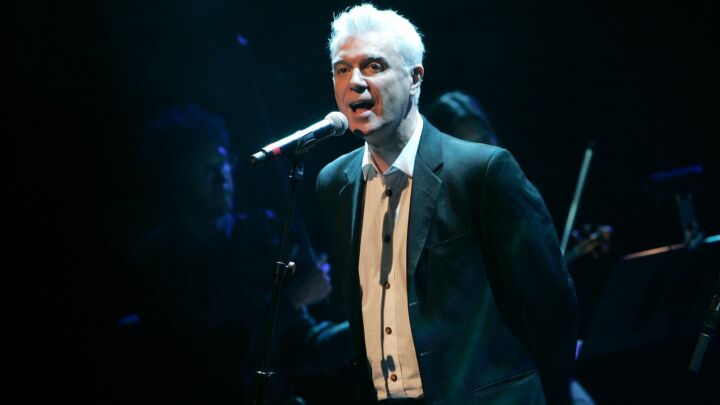
In fact, this is Shoreditch House – the swish private members’ club and hangout for east London’s creative and media trendies. Last Sunday evening, David Rodigan, for more than 30 years the UK’s premier reggae DJ, wooed an enthusiastic crowd with a delicious blend of 80s dancehall, 70s lovers’ rock, and 60s ska, with a dash of 90s jungle. By 11pm it was all over – people have to get up for work in the morning, you know.
I’m told that these parties normally take place up on the club’s stunning roof terrace, alongside the open-air swimming pool, and overlooking the City. Last time around, though, the neighbours complained about the noise (some things don’t change) and so tonight we’re down in the basement club called ‘Concrete’.
Time may fly, but it doesn’t seem all that long ago that blues parties and dancehall music were in the eyes of many (politicians, the police and the media to be precise), synonymous with crime, drug-dealing, prostitution, so-called ‘yardie’ gangsters, race riots, inner-city decay and any other form of social breakdown you can think of. For most people though, going to ‘blues’ represented little more than having a good night out with their friends, where they could listen to music they’d never hear in the city centre bars and nightclubs that half the time wouldn’t let them in anyway.
Thirty years ago, I would never have thought that the music of the Jamaican dancehall and the (black British) blues party would have found its way into the hearts of today’s cultural elite. Colonising Mars would have seemed a more likely prospect. Then again, 30 years ago I wouldn’t have believed our political leaders, policymakers, judges and policemen would take to using anti-racism, equality and diversity to shut down our freedoms (rather than our parties). How times change.
Niall Crowley is a writer based in London.
You’ve hit your monthly free article limit.
Support spiked and get unlimited access.
Support spiked and get unlimited access
spiked is funded by readers like you. Only 0.1% of regular readers currently support us. If just 1% did, we could grow our team and step up the fight for free speech and democracy.
Become a spiked supporter and enjoy unlimited, ad-free access, bonus content and exclusive events – while helping to keep independent journalism alive.
Monthly support makes the biggest difference. Thank you.


Comments
Want to join the conversation?
Only spiked supporters and patrons, who donate regularly to us, can comment on our articles.