No, Waitrose, men don’t have periods
It’s time businesses stopped bending the knee – and reality – to the trans mob.
Want unlimited, ad-free access? Become a spiked supporter.
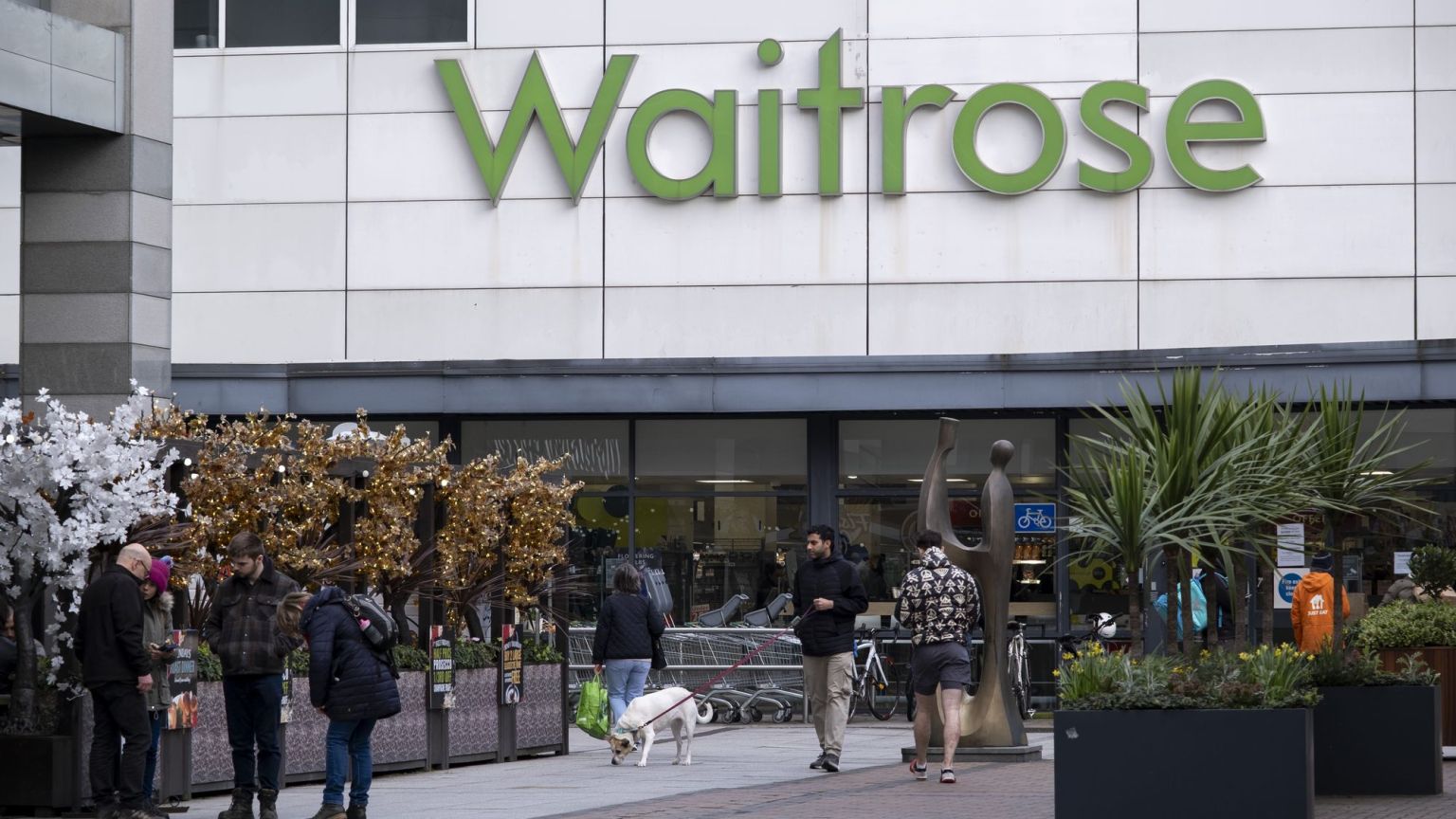
Shopping in Waitrose is about to become far more confusing for half of the British population. Last week, we learnt that the supermarket chain has decided to remove the phrase ‘feminine care’ from its labelling of sanitary products used by women. This is because, according to a leaked internal document, ‘not all people who have periods are women’.
Once again, common sense and reality have been pushed aside to appease activist sensitivities. A letter of complaint addressed to a senior manager at Waitrose claimed that, ‘Trans men and some nonbinary people have periods’. Apparently, these menstruating ‘men’ deserve ‘language that acknowledges who they are, not language that makes assumptions about them’.
Anyone with her head screwed on might think it’s reasonable to assume that a person having a period can only possibly be a woman. Yet the Waitrose manager agreed with the complaint, responding that ‘feminine care does not accurately describe the products in this category and this should be changed… as soon as possible’.
We often hear this refrain about the importance of language from trans activists. Of course, anyone paying attention to the debate would have noticed that all of the changes demanded from activists are only in one direction. No one has proposed renaming the men’s grooming aisle. No one has suggested ‘men’s health’ implies an exclusivity that needs correcting. Nor does the definition of ‘man’ seem to attract anywhere near the controversy of the definition of woman.
This is the inherent misogyny that lingers at the heart of the trans movement. Repeatedly, women are expected to simply accept the erasure of their rights and their bodies because a small minority of activists demands that they do so. And corporations keep bowing to it.
The unnamed complainant who inspired this rebrand also said, ‘this [change] matters to me because inclusion should never be conditional or performative’. Give me strength. Who, after all, is really being ‘performative’ here? Nothing material has changed by Waitrose removing the description ‘feminine care’. The products are the same. The aisle is in the same place. Nobody is stopped from buying anything, denied anything, or made to identify themselves at the till.
Fiona McAnena of Sex Matters called this appeasing ‘a noisy minority of gender activists’ who are ‘deeply out of step with the general public’. She’s right – yet it goes further than that. Waitrose isn’t indifferent to what the public thinks. It doesn’t even feel the need to check, particularly with the people who actually matter here – women. Nobody asked whether that single complaint actually represented anyone beyond the person who sent it. It’s almost as if the public’s view simply doesn’t factor, provided the demands are made with the supposedly unimpeachable jargon of ‘inclusivity’.

Renaming feminine products might be a small thing in the grand scheme of the trans assault on women’s rights. But that doesn’t mean women should put up with it, any more than they should have been expected to stand all the other gross violations. Enough is enough.
Ada Akpala is an intern at spiked.
You’ve hit your monthly free article limit.
Support spiked and get unlimited access.
Support spiked and get unlimited access
spiked is funded by readers like you. Only 0.1% of regular readers currently support us. If just 1% did, we could grow our team and step up the fight for free speech and democracy.
Become a spiked supporter and enjoy unlimited, ad-free access, bonus content and exclusive events – while helping to keep independent journalism alive.
Monthly support makes the biggest difference. Thank you.



Comments
Want to join the conversation?
Only spiked supporters and patrons, who donate regularly to us, can comment on our articles.