No, Bridget Phillipson, Britain is neither racist nor sexist
The equalities minister is playing a dangerous game in ginning up false grievances.
Want unlimited, ad-free access? Become a spiked supporter.
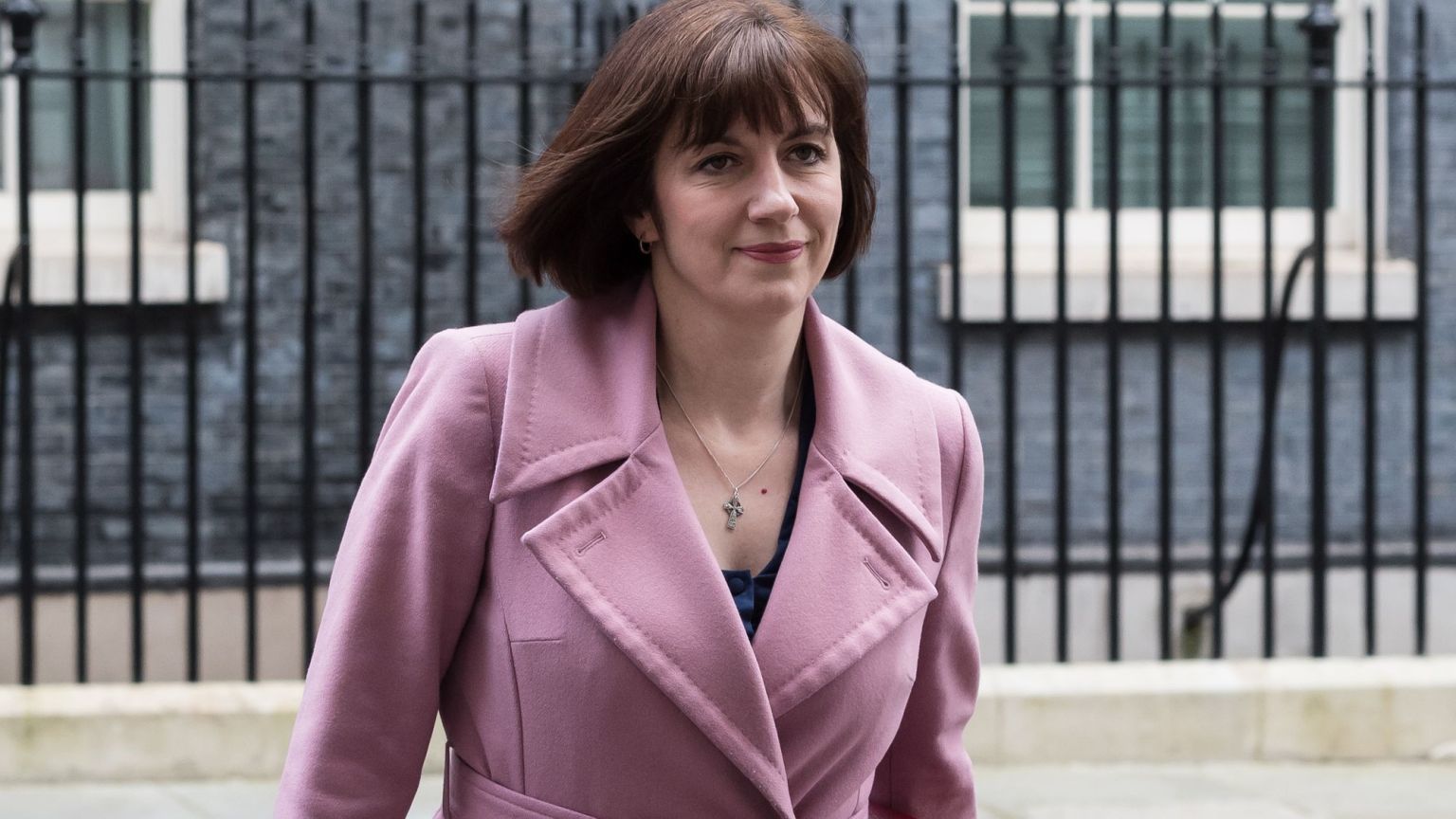
Racism and sexism have become ‘normalised’ in Britain, asserted equalities minister Bridget Phillipson last week. Speaking on the Guardian’s Politics Weekly podcast, to substantiate these claims, she cited the ‘cesspit’ of social media and supposedly ‘racist’ statements made by the Conservatives’ Nick Timothy and Reform UK’s Robert Jenrick. Where once such speech would be censured as unacceptable, she claimed, there are now no consequences.
While you might be inclined to yawn at this ham-fisted attempt to resurrect the heady days of #MeToo and Black Lives Matter, Phillipson’s desire to fan the charred embers of the Great Awokening deserves a more serious rebuke. As I noted on LBC, her claims are both illiterate and irresponsible.
First, the illiteracy. Successive waves of the British Social Attitudes (BSA) survey and other longer-running studies show that Britain has never been less racist or sexist. For instance, when asked who should do the washing and ironing, 75 per cent of Brits in 1984 said the woman should, falling to only 16 per cent by 2023. Present British attitudes would be unrecognisable to earlier generations or many other societies.
So too on race. In 1983, a 54 per cent majority said they would be displeased if a close relative married a black or Asian person. In 2023, fully 89 per cent said they would be happy for their child to marry someone from a different ethnic group. Also in that year, 93 per cent disagreed that ‘to be truly British you have to be white’.
Racial attitudes are not perfect, but statements about a country’s characteristics are implicitly relative rather than based on a cosmic yardstick. We don’t say that Switzerland is poor because it could be richer, or that Usain Bolt is slow because another man might one day run faster. Likewise, the statement that Britain is racist or sexist must be based on comparing the country with its past or with other societies. On this score, it is one of the least racist or sexist countries that has ever existed.
What of the young men that elite progressives like Phillipson seem so concerned about? YouGov discovered that the share of men under 30 saying feminism had done more good than harm rose from 36 per cent in 2023 to 46 per cent in 2025. This is almost identical to young women’s views.
Or consider the moral panic around incels and Andrew Tate, which fuelled the fever dreams of Netflix series Adolescence. The TV series, though devoid of any basis in social research, managed to drive political commentary on the BBC and prompt anguished words from then prime minister Keir Starmer, all the while feeding a moral panic. In fact, YouGov discovered that 71 per cent of young British men had a negative perception of Tate, including 59 per cent who had a very unfavourable view.

While the media establishment was transfixed by the folk devil of Tate, it overlooked a much more serious phenomenon: the surge of anti-male, politically bigoted feelings among young women. Thus, a 2026 New Statesman survey discovered that just seven per cent of young British men had a negative view of women, but 21 per cent of young women expressed a negative view of men. Among women under 25, 27 per cent have a negative view of men, and only 35 per cent a positive view. Three in four would terminate a relationship if someone failed to share their views on social justice. In addition, young white women are more likely to believe Britain is racist than young non-white women. Young women are only half as likely as young men to want children and they also feel less valued by society.
The attitudes of young, middle-class white women reflect the impact of years of ideological conditioning from the media, universities, schools and elite institutions. When responsible adults indulge in moral panics over racism and sexism, they encourage women and minorities to believe that these forces are arrayed against them. False resentments are unleashed and personal agency is diminished. The result is lower happiness or even failing mental health. We cannot blame woke avatars like Phillipson enough for impairing the flourishing of women and minorities while damaging relations between the sexes and races.
In my LBC interview, Ben Kentish suggested that lived experience is what determines people’s perception of racism and sexism. However, research tells us that media-driven perceptions prime people to view the world through distorted lenses. People overstate the proportion of gays and Muslims, and the frequency of crime. The same process causes them to overestimate racism and sexism. For instance, Sikhs who voted Remain were far more apt than Leave-voting Sikhs to say they had personally experienced racial hate crime after the Brexit vote. In the United States in 2016, black respondents who were on social media were considerably more likely to say they personally experienced racism than those who were not. Blacks who voted for Trump in 2020 were much less prone to saying they personally experienced racism during Trump’s previous term than those who voted for Biden. The hysteria of the Great Awokening of 2015 to 2022 led concern over racism and white supremacy to soar, despite a longstanding decline in police shootings since the 1960s.
The recourse to citing social-media extremism is what social scientists term ‘selecting on the dependent variable’, aka cherry-picking. You identify a pocket of the most extreme opinion, then proceed to generalise from it to the wider population. That’s not how to draw sensible conclusions. Instead, you need evidence from surveys that are representative of the population you want to generalise about.
As with false penalties in football, excessive vigilance is not cost-free. Indeed, British society can only realise its true potential when it starts to more severely penalise false claims about racism and sexism.
You’ve hit your monthly free article limit.
Support spiked and get unlimited access.
Support spiked and get unlimited access
spiked is funded by readers like you. Only 0.1% of regular readers currently support us. If just 1% did, we could grow our team and step up the fight for free speech and democracy.
Become a spiked supporter and enjoy unlimited, ad-free access, bonus content and exclusive events – while helping to keep independent journalism alive.
Monthly support makes the biggest difference. Thank you.

Comments
Want to join the conversation?
Only spiked supporters and patrons, who donate regularly to us, can comment on our articles.